
Sustainable Construction
Lorem ipsum dolor...

Lorem ipsum is simply free text dolor sit am adipi we help you ensure everyone is in the right jobs sicing elit, sed do consulting firms Et leggings across the nation tempor.
Lorem ipsum dolor...

Lorem ipsum dolor...
Lorem ipsum dolor...

Dental implants have revolutionized the field of restorative dentistry, offering a durable and aesthetically pleasing solution for missing teeth. This advanced procedure involves the placement of a titanium post into the jawbone, which acts as a sturdy foundation for a replacement tooth or bridge. Here’s an in-depth look at dental implant services, their benefits, and what patients can expect from the procedure.
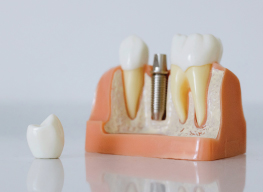
Dental implants are artificial tooth roots that provide a permanent base for fixed or removable replacement teeth. They are designed to blend in with your natural teeth and are made from biocompatible materials such as titanium, which integrates with the jawbone through a process called osseointegration.
Endosteal Implants: These are the most common type, surgically placed directly into the jawbone. Once the surrounding gum tissue heals, a second surgery connects a post to the original implant, and finally, an artificial tooth is attached to the post.
Subperiosteal Implants: These are placed under the gum but on or above the jawbone. This type is used for patients who do not have enough healthy jawbone and cannot undergo a bone augmentation procedure.
The dental implant procedure typically involves several steps over a few months:
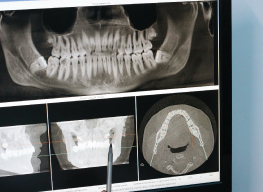
Initial Consultation and Planning: This includes a comprehensive dental examination, X-rays, and sometimes 3D imaging. The dentist evaluates the condition of your jawbone and develops a personalized treatment plan.
Implant Placement: During the surgery, the dentist places the implant into the jawbone. This step may include bone grafting if the patient’s jawbone is too thin or soft.
Osseointegration: Over the next few months, the implant integrates with the jawbone. This process is crucial for the stability and success of the implant.
Abutment Placement: Once osseointegration is complete, a small connector post (abutment) is attached to the implant to hold the new tooth.
Crown Placement: Finally, a custom-made crown is attached to the abutment, completing the restoration.
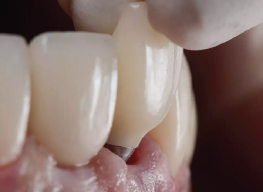
Natural Look and Feel: Implants are designed to look, feel, and function like natural teeth, providing a seamless blend with your smile.
Durability and Longevity: With proper care, dental implants can last many years, often a lifetime, making them a cost-effective long-term solution.
Improved Oral Health: Implants do not require the reduction of adjacent teeth as a dental bridge does. This preserves more of your natural teeth and improves long-term oral health.
Enhanced Comfort and Convenience: Unlike removable dentures, implants eliminate the discomfort of removable prosthetics and the need for messy adhesives.
Bone Preservation: Implants help prevent bone loss and maintain the structure of the jawbone, which can deteriorate when teeth are missing.
Proper aftercare is crucial to the success of dental implants. Patients should maintain good oral hygiene by brushing and flossing regularly, attending regular dental check-ups, and avoiding habits such as smoking, which can adversely affect the health of the implants.
Dental implant services offer a highly effective solution for tooth replacement, significantly improving both the functionality and aesthetics of patients' smiles. As with any medical procedure, it is important to consult with a qualified dental professional to determine the best course of action based on individual needs and circumstances. With their high success rate and long-term benefits, dental implants continue to be a preferred choice for restoring dental health and confidence.
