
Sustainable Construction
Lorem ipsum dolor...

Lorem ipsum is simply free text dolor sit am adipi we help you ensure everyone is in the right jobs sicing elit, sed do consulting firms Et leggings across the nation tempor.
Lorem ipsum dolor...

Lorem ipsum dolor...
Lorem ipsum dolor...

Dental surgery encompasses a wide range of procedures aimed at addressing various dental and oral health issues. These services can range from routine extractions to more complex surgical interventions that restore functionality and aesthetics. Here’s an overview of common dental surgery services, their purposes, and what patients can expect.
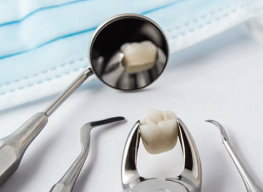
Tooth extraction is one of the most common dental surgeries. Indications for this procedure include severe tooth decay, infection, crowding, or trauma. Extractions can be simple or surgical, depending on whether the tooth is visible or impacted.
Simple Extraction: Performed on visible teeth using local anesthesia.
Surgical Extraction: Necessary for teeth that are broken off at the gum line or not fully erupted, often requiring an incision and possibly bone removal.
Wisdom teeth, or third molars, often cause problems such as impaction, infection, and crowding. Their removal is a specialized form of tooth extraction, often performed by an oral surgeon. This procedure can prevent future dental issues and alleviate pain and discomfort.
Dental implants are a permanent solution for missing teeth. The procedure involves surgically placing a titanium post into the jawbone, which acts as a replacement root. Once integrated with the bone, a crown is attached, providing a natural-looking and functional tooth.
Procedure: Involves several stages, including the initial implant placement, healing period (osseointegration), and final crown placement.

This type of surgery is used to treat gum disease and includes various procedures like flap surgery, bone grafting, and tissue regeneration.
Flap Surgery:Lifting the gums to remove tartar and bacteria from deep pockets.
Bone Grafts:Using bone grafts to replace bone destroyed by periodontal disease.
Guided Tissue Regeneration: Encouraging regrowth of bone and gum tissue.
This specialty focuses on diagnosing and treating diseases, injuries, and defects in the head, neck, face, jaws, and soft tissues of the mouth. Procedures can range from corrective jaw surgery to treating oral cancers and reconstructive surgery after trauma.
Preparation and Recovery : Preparation for dental surgery typically involves a consultation to evaluate the patient’s health, imaging tests (like X-rays or CT scans), and discussions about anesthesia options. Recovery times vary based on the procedure but generally include a period of rest, pain management, and follow-up appointments to ensure proper healing.
Dental surgery plays a critical role in maintaining oral health, functionality, and aesthetics. Whether dealing with impacted wisdom teeth, replacing missing teeth with implants, or correcting jaw misalignments, these procedures enhance quality of life and prevent future dental issues. Consultation with a skilled dental surgeon ensures that patients receive personalized and effective care tailored to their specific needs.
